


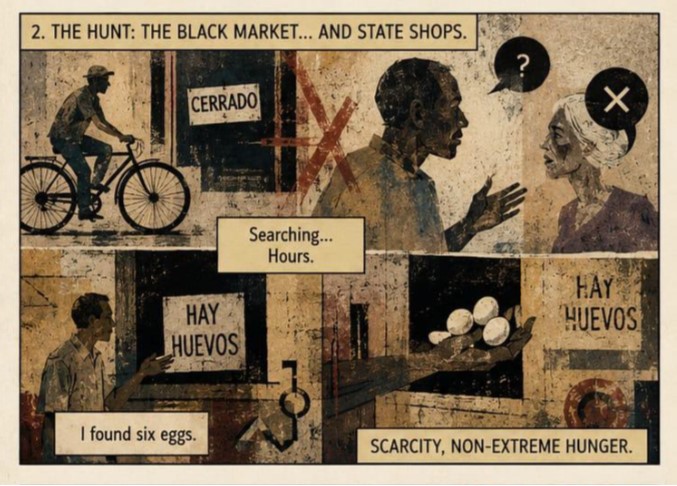
Diese Präsentation stellt den Prozess und einige Ergebnisse des Experimentierens mit dem Zeichnen von Graphic-Novel-Seiten im Seminar „Anthropology of Food“ vor.
Autor*innen:
Maria Elena Prieto Jarabo;
Ina Hübner;
Feline Neuville;
Charles Plachetta;
Gianluca-Pasquale Todisco
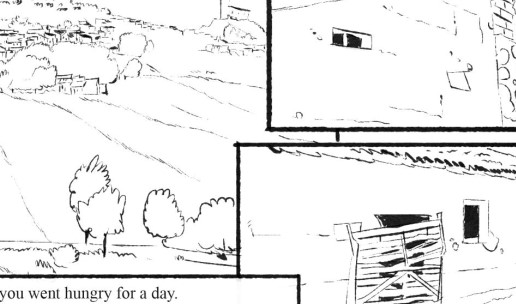
Under early Francoism, a rationing system was established to manage resource scarcity in the aftermath of the Civil War in Spain, a system that would stay in place up until 1952. This system functioned as a space where the imprints of totalitarian control and autarky aimed to shape both the economy and the very morality of the lower classes, targeting specifically the defeated Republican factions, the so-called “derrotados”. Focusing on female smugglers the graphic novel “Las Matuteras” by Alvaro Daniel Valle-Inclán Cabello and Caras shows how the rural lower classes bypassed the corrupt state apparatus and relied instead on underground circuits of mutual aid, reciprocity, and shared risk. They thereby actively resisting the „social death“ that the rationing system sought to inflict upon them, reclaiming their humanity and restoring their social dignity from the margins of the dictatorship.
Autor*innen:
Alvaro Daniel Valle-Inclán Cabello;
Caras (@caras_anim on Instagram)
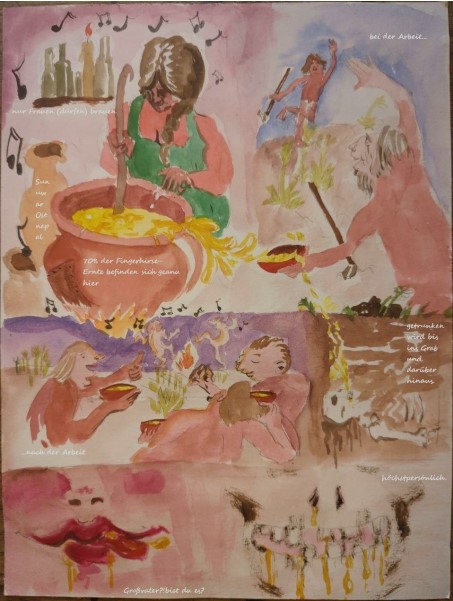
Die Graphic Novel „Mein Bier – Dein Bier“ visualisiert die zentrale Rolle von Bier in der sozialen Welt der Sunuwar in Nepal, indem sie ethnographische Erkenntnisse aus Eglis Forschung in eine narrativ-illustrative Form übersetzt. Die Geschichte folgt dem „Bierfluss“ von der Produktion über Feldarbeit, gemeinsames Trinken, rituelle Gaben an die Ahnen bis hin zum Austausch zwischen Familien und zeigt so die Verbindung von Arbeit, Opfer und Gemeinschaft.
Autor*in:
Florian Helmich
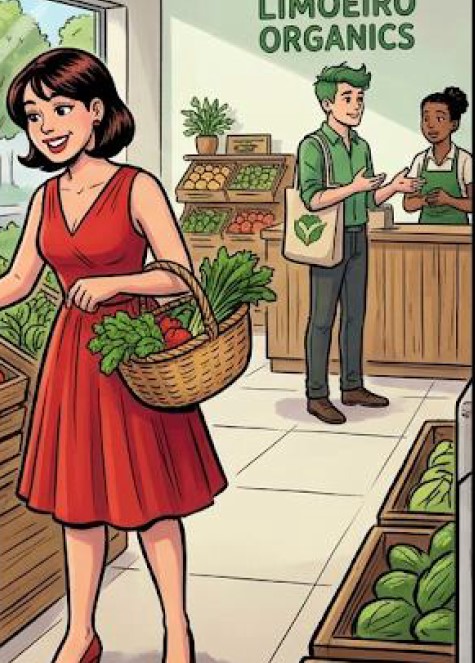
Diese Präsentation stellt den Prozess und einige Ergebnisse des Experimentierens mit dem Zeichnen von Graphic-Novel-Seiten im Seminar „Anthropology of Food“ vor.
Autor*in:
Maria Eduarda Vieira de Souza

The EthnoGraphic Illustration by Maria Elena Prieto Jarabo depicts a Wari‘ hunter encountering white-lipped peccaries, believed to embody ancestral spirits. When a peccary offers itself as food, it symbolizes a deceased relative’s benevolent return to nourish the tribe. This reciprocal relationship reflects Wari‘ cosmology, where consuming meat connects to ancestral practices of funerary consumption.
Autor*in:
Maria Elena Prieto Jarabo